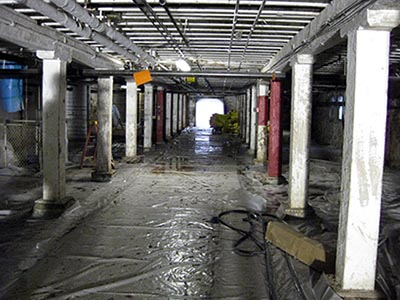
Mold Remediation
In addition, dead molds still contain spores and chemicals, and should be treated as such.
Mold must be removed, not just killed. And safely removing mold is not usually a simple task.
Never fear, IRS Environmental is here!
IRS Environmental works with several Industrial Hygiene Providers, Certified Industrial Hygienists, and Professional Engineers to provide mold clean-up work plans and project designs.
The amount of visible mold, the safety of the occupants and workers, and the source of the mold are all taken into consideration.
I have mold on my cheese, so why do I care if I have mold on my walls?
Mold is a generic name for over 200,000 kinds of fungus. Some are good, some are bad, and none should be growing on your walls. If consistent moisture and oxygen is present, mold can grow on virtually anything.
Modern building materials such as acoustic ceiling tile, carpet, particleboard, sheetrock and wallpaper are like candy to mold. Mold actually eats and digests the host product, damaging furnishings and eventually causing structural damage to building materials.
Molds reproduce by releasing spores, regenerative cells with a tough coating that can survive detergents, chemicals, and extreme temperatures. These spores are dangerous when highly concentrated in an indoor area and especially dangerous when inhaled by humans and animals
Some molds produce chemicals called aflatoxins, which are extremely toxic and carcinogenic. Mold can cause variety of health problems, from allergies and asthma to emphysema and cancer.
Children are especially sensitive to poor indoor air quality, and a high indoor spore count in schools or at home can cause asthma, rashes, learning disabilities, and behavioral problems.
You can prevent damage to buildings and building contents, save money, and avoid potential health problems by controlling moisture and eliminating mold growth.
But mold happens, whether it’s from leaky pipes, improper building practices, poor building maintenance, or Mother Nature. And then you’ve got a problem on your hands.
Can’t I just use bleach? Why do I need to bring in professionals?
Chlorine bleach does not kill mold. In fact, bleach adds moisture which may help the mold grow, and is toxic itself.
Improper rubbing and removal of large mold infestations can disturb the mold and release excess spores and toxic chemicals into the air.
Biocides are chemicals that can kill living molds, but biocides are poisonous and, if used incorrectly, can be even more harmful than the original mold.

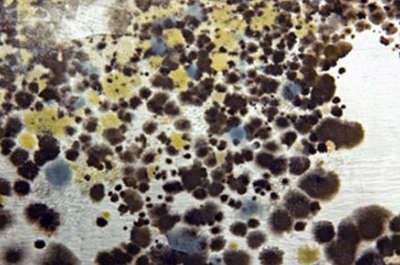
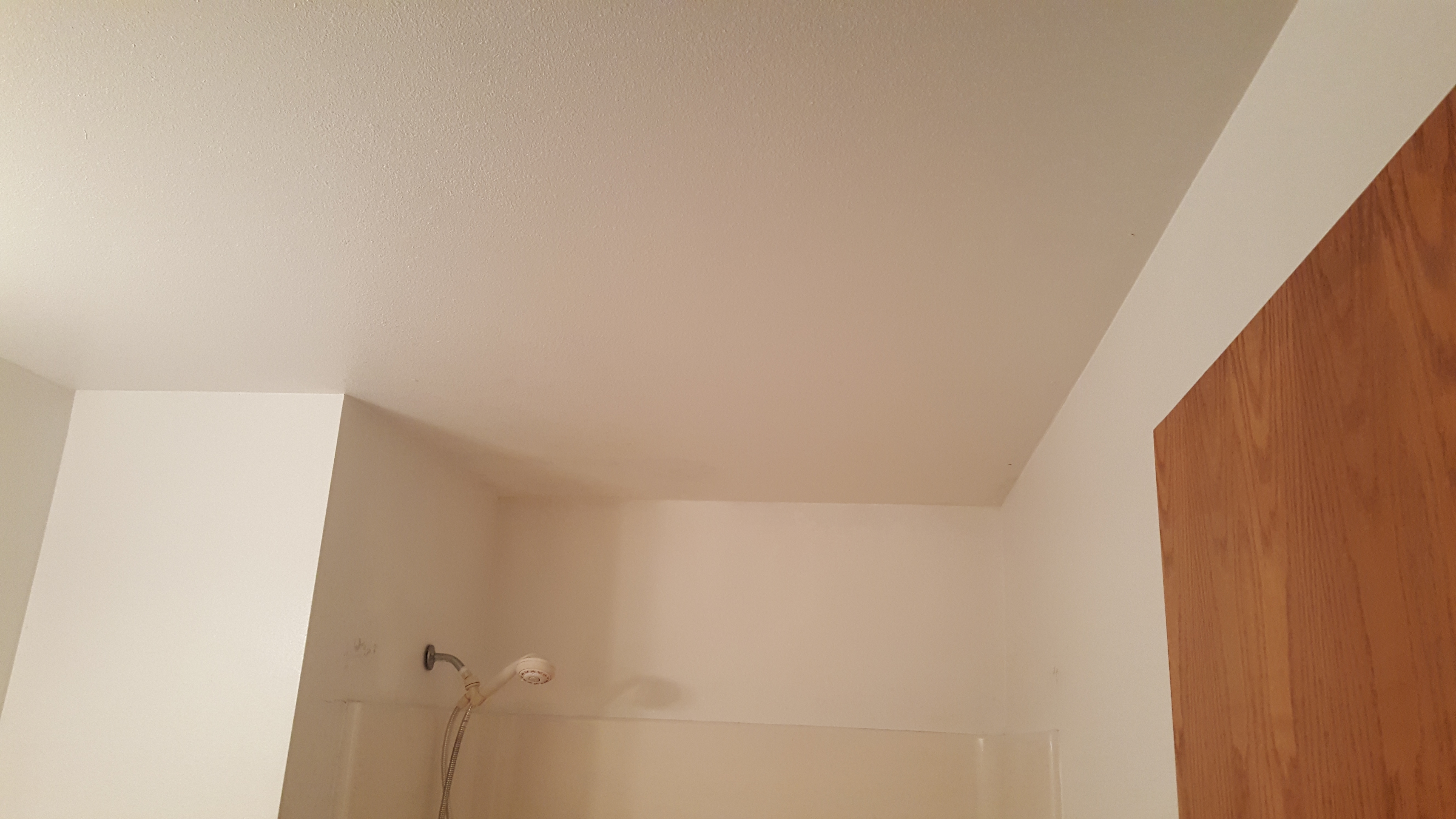
Mold On Ceiling

Worker safety is a high priority
We have provided mold remediation in a wide variety of projects, from small residential bathrooms to entire residential houses, schools, and commercial buildings.
We work at or above E.P.A. and local agency guidelines. If you have concerns about mold in your home or building, it’s time to call in the professionals - IRS Environmental.

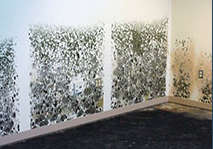
Mold On Wall
IRS Environmental is committed to safety. We have been recognized by the Associated Builders and Contractors for our superior safety record. Please click on these links to view our safety certificates. STEP Flyer STEP Certificate

Home Asbestos Removal Mold Remediation Additional Services Photo Gallery Contact Us
IRS Environmental - 503-693-6388 - 777 SW Armco Ave., Hillsboro, OR 97123
Copyright 2009 - ~ IRS Environmental
~ All Rights Reserved
Website Developed by Web-Site Express